
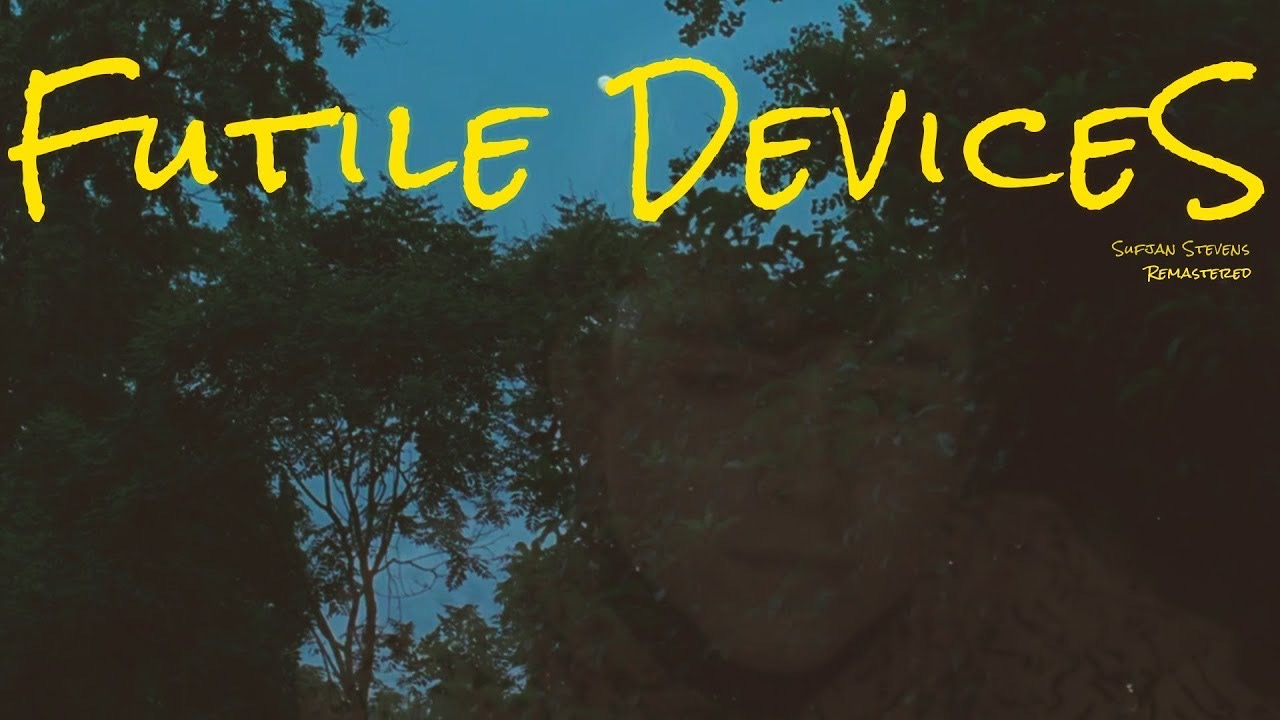
Futile Devices

Music has always functioned as a transportive art form. Music is the art capable of displacing us into alternate emotional realities through melody, rhythm, and voice. It is a magical experience that constructs symbolic unique spaces for the listener. However, music is much more powerful. Historically, music has not only expressed individual emotion but also supported social movements, identities, and collective resistance. For marginalized communities, this expressive function becomes even more significant.
Within queer history, music has often operated as both refuge and coded language. In societies structured around heteronormativity, queer artists have frequently relied on music as a safe space for exploration and expression of their sexuality without actually having to come out. To the listener, it has provided a sense of belonging, acceptance and visibility. In a way, it is a therapeutic tool for queer people.
Yet, queer musicians have had to employ ambiguity, metaphor, or even pronoun shifts to veil their authentic romantic experiences. A notable strategy involved covering songs written for the opposite gender; in this way, artists could channel same–sex longing under the “safe” guise of artistic fidelity. At the same time, there have been “code lyrics” that queer people used for hiding in plain sight. For example, when an artist sang about their “best friend” with intense passion or profound longing, the queer community instinctively understood the subtext: that this “best friend” was actually a lover. It is similar to the term “Friend of Dorothy” used to identify gay men in a safe and discreet way. These codes have fostered unique, shared languages that have extended to art.
While the historical relationship between music and the LGBTQ+ community is vast and multifaceted, I want to pivot toward a more personal analysis: my own experience with Sufjan Stevens’ song 'Futile Devices,' best known from the Call Me by Your Name soundtrack. In the following section, I will delve into my perspective on its lyrics, how they intersect with my own life, and the profound emotional weight this song carries.

The title: Futile Devices
The title “Futile Devices” immediately introduces the central conflict of the song: the inadequacy of language. By calling words “devices,” Sufjan Stevens presents them as tools: constructed mechanisms designed to communicate meaning. Yet they are described as futile. Words fail to express something.
The lyric:
“Words are futile devices”
Suggests emotional excess. The speaker feels something so deep, so intimate, that language cannot contain it. Words are useless as the feelings of love expands. What exists between the two people in the song surpasses verbal articulation.
The Difficulty of Saying “I Love You”
“I would say I love you, but saying it out loud is hard, so I won’t say it at all.”
This lyric reflects the fear of exposure. “Saying it out loud” transforms a private emotion into something public and irreversible. This love is protected by silence. Silence becomes a form of preservation. Instead of declaring love dramatically, the speaker keeps it within the shared space of the relationship. And of course, when homosexual love becomes visible, it is in danger and encapsulated as “disgusting” or “sickening”. When homosexual love is stigmatized, speaking openly can carry risk. Therefore, the inability to say “I love you” is not emotional immaturity; it is the weight of social reality pressing against private feeling.
“I Think of You as My Brother”:
The lyric:
“I think of you as my brother”
is one of the most complex in the song. On the surface, it seems to desexualize or neutralize the relationship, or in a way, stopping this song from being in a romantic way. However, it can also be read as a protective redefinition of intimacy.
Calling someone a “brother” can serve as a socially acceptable explanation for closeness. It transforms emotional intensity into something culturally legible and safe. The phrase suggests a bond that is deep, loyal, and inseparable, yet shielded from suspicion.
Rather than contradicting a queer interpretation, this line may reinforce it for me. The language attempts to categorize the relationship in a way that hides its romantic dimension, especially in dangerous or small places where everything is connected and known.
Domestic Details and the Beauty of the Ordinary
Throughout the song, we can find powerful elements that are small, domestic and intimate. For example:
“When I sleep on your couch I feel very safe.”
“When you crochet I feel mesmerized and proud.”
These details create a world of quiet intimacy. Love is not dramatic or performative; it is lived in ordinary gestures that create safety, admiration and shared space. The couch, the crocheting, the small shared routines: they suggest a young couple existing in their own enclosed universe. The intimacy is so personal that it does not require spectacle. This minimalism strengthens the theme of private love. The relationship does not seek recognition.
This vibe is the most important thing for me. Most of queer relationships are in this way. Often, both persons involved in homosexual relationships try to protect it from external influences or even are afraid of showcasing it for the consequences it may bring, like if it were a sin or crime. Homosexual relationships are private, sadly to seek safeness and respect.
For me, Futile Devices shows the experience of homosexual love as a fragile and sacred thing. The emotional core and the production make me feel alive, safe and represented, while I am listening and vibing to a love that lives privately, intensely, and authentically. I hope you’ve enjoyed my point of view and let me know if you thing this song is about other thing or your interpretation of it!
See you next time.
All references to Sufjan Stevens Futile Devices song.